
What Should You Look for in a BSc Computer Science in Cybersecurity Program in Dubai?
Choosing a cybersecurity degree is a little different from choosing a general computer science course. You aren’t just learning how computers work. You’re preparing to protect systems, investigate threats, and understand how security problems happen in the first place.
So, if you are comparing colleges in Dubai, don’t make your decision based on the course title alone. Two courses may sound similar but offer very different learning experiences.
BSc Computer Science in Cybersecurity Program in Dubai At Times College
Here’s what you need to check before applying.
1. Does the BSc Cybersecurity in Dubai Cover the Right Subjects?
Start with the syllabus. A good program should build your computer science foundation while introducing you to cybersecurity. That’s exactly what we focus on at Times College.
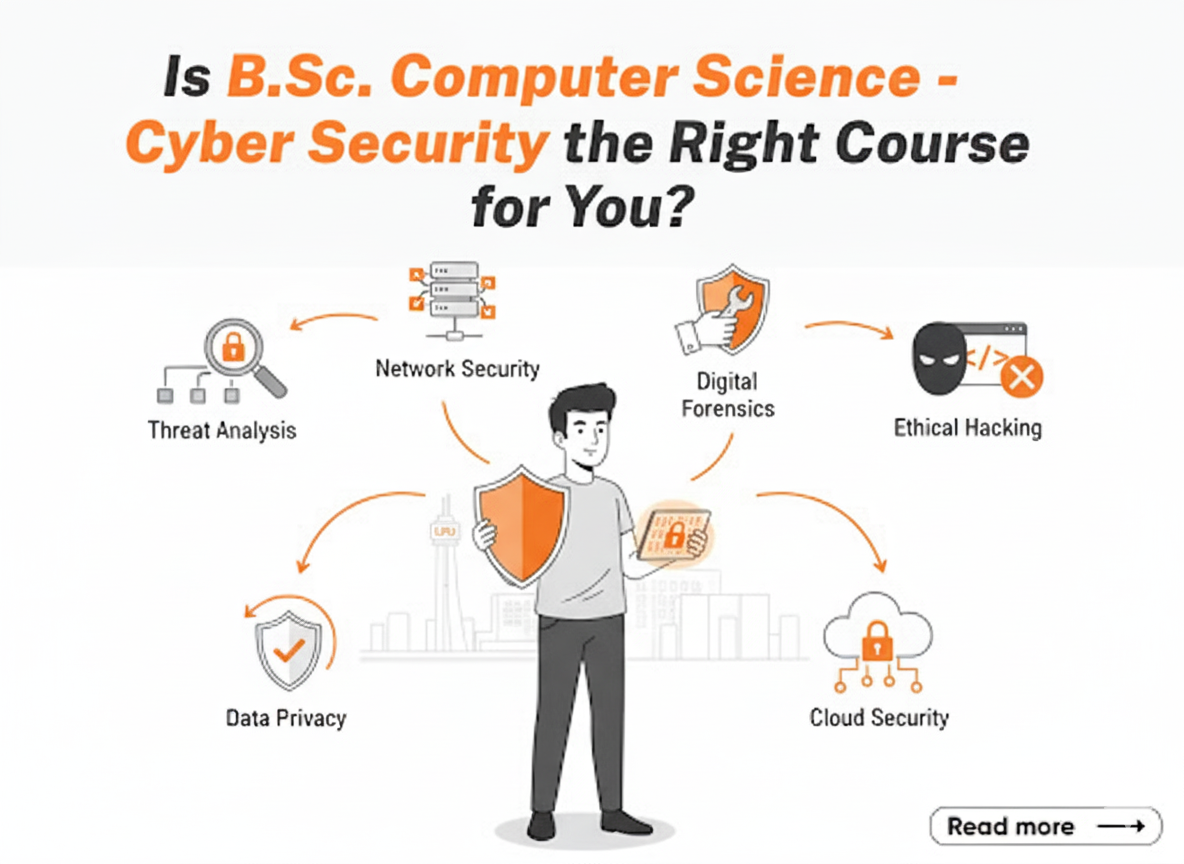
Look for subjects such as:
- Network and information security
- Ethical hacking and penetration testing
- Digital forensics
- Operating systems and programming
- Data protection and cyber threats
Why does this matter? Because cybersecurity isn’t one single job. Someone investigating digital evidence needs different skills from someone securing a company’s network.
2. Will You Get Practical Experience?
Hands-on learning is essential for cybersecurity students. Reading about a cyberattack is one thing; understanding how it happens and how to prevent it is another.
Before choosing a college, ask whether students work on practical exercises, security simulations, projects, or laboratory assignments. Find out how much of the course involves applying concepts rather than simply preparing for examinations.
A useful question to ask during admissions counselling is: What will I actually be able to do by the time I graduate?
The answer should go beyond knowing the theory.
3. Is the BSc Degree in Dubai Recognised?
This is one detail you shouldn’t leave until the last minute.
Check the institution’s accreditation, the awarding university, and the qualification’s recognition status. When you choose us, you don’t have to worry about it.
Also, look at the entry criteria, course duration, assessment methods, and total fees. These practical details can influence your decision just as much as the curriculum.
4. What Career Options Can the Program Prepare You For?
A BSc in Dubai with a cybersecurity focus can help prepare students for entry-level opportunities in areas such as security operations, network security, IT support, and digital forensics, depending on their skills and experience.
Don’t expect a degree alone to guarantee a cybersecurity job. Employers may also look for practical projects, internships, certifications, and problem-solving ability.
Why Consider Times College?
At Times College, students exploring a computer science degree with a cybersecurity focus can review the program details, curriculum, and admission requirements before deciding whether it matches their goals.
Take time to speak with the admissions team and ask specific questions about the qualification, practical learning, and progression opportunities.
The right degree isn’t simply the one with cybersecurity in its name. It’s the one that gives you a solid foundation, useful skills, and a clear next step.
FAQs
1. What should you look for in a BSc Cybersecurity in Dubai?
Look for a program that covers computer science fundamentals, network security, ethical hacking, and digital forensics. Check the qualification’s recognition, practical training opportunities, and career guidance before enrolling.
2. What career options are available after a BSc degree in Dubai specialising in cybersecurity?
Graduates may explore entry-level roles such as cybersecurity analyst, security operations centre (SOC) analyst, network security administrator, or digital forensics assistant. Specific opportunities depend on practical skills, experience, and employer requirements.
3. Is a BSc in Dubai enough to start a career in cybersecurity?
A BSc in Dubai can provide the academic foundation for a cybersecurity career. However, practical projects, internships, relevant certifications, and continuous learning can help graduates strengthen their job prospects.
tag:
bachelor degree in Dubai BSc Cybersecurity BSc Cybersecurity in Dubai BSc Degree in Dubai BSc Dubai BSc in Dubai BSc in UAE Cybersecurity Degree in Dubai Top College in DubaiShare:

admin